
Why Flushing Your Water Heater Matters: What Sediment Does to Your Tank
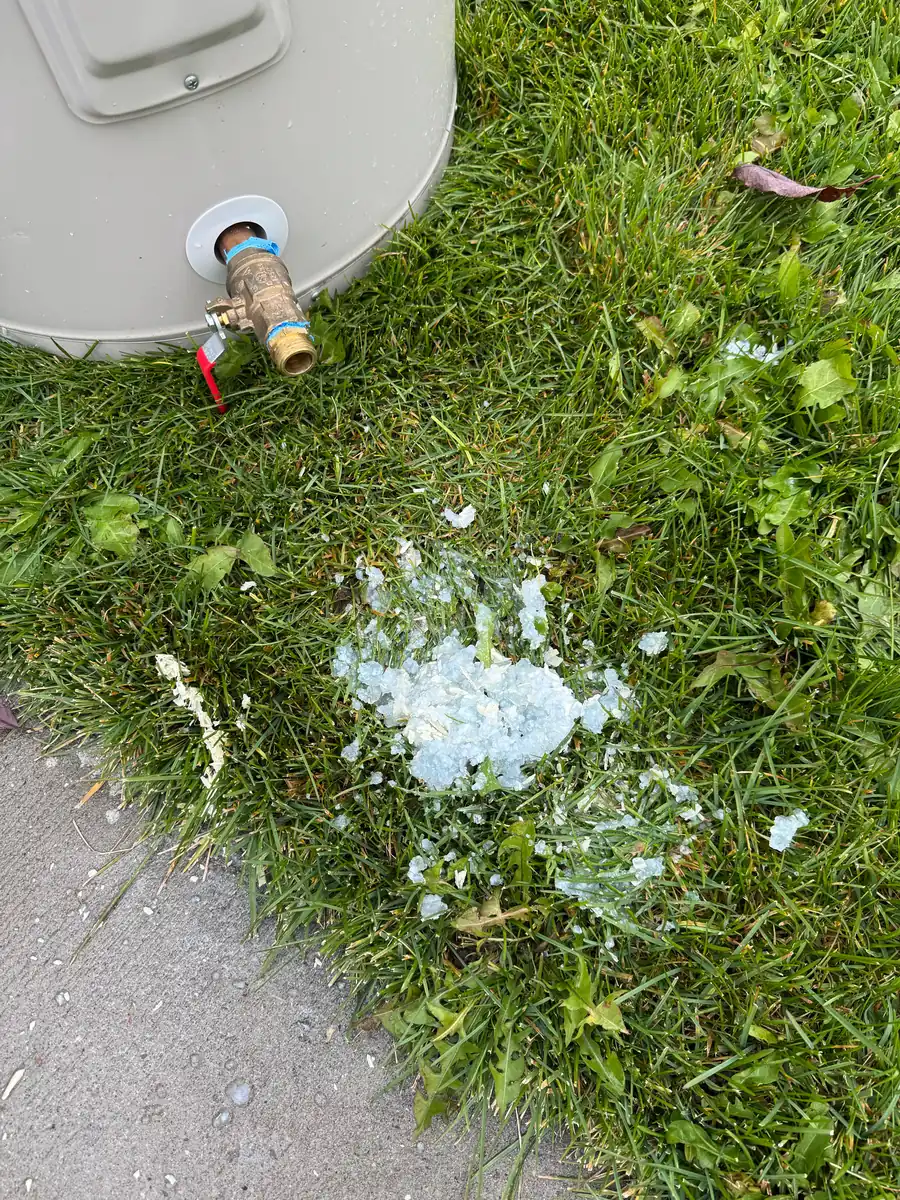
That pile in the photo came out of one water heater on a recent job. It's mineral scale and sediment, and it had been sitting at the bottom of the tank, between the water and the heat source. Most homeowners never see what's inside their water heater, so it's easy to forget the tank needs any care at all. But this buildup is one of the main reasons water heaters get noisy, lose efficiency and wear out early.
Here's what that sediment is, what it does, and why a regular flush is worth it.
What Is Water Heater Sediment?
Tap water carries dissolved minerals, mostly calcium and magnesium. When water is heated, some of those minerals come out of solution and settle to the bottom of the tank. Over time they harden into scale and collect as loose sediment, along with bits of sand or grit that come in with the water supply. Many Western Montana homes, especially those on private wells, see this kind of buildup. How fast it happens depends on your water and how much hot water your household uses.
What Sediment Buildup Does
- Rumbling, popping or crackling noises. Water gets trapped under the sediment layer and boils as the burner or element heats it. That's the popping you hear when the water heater runs.
- Slower or less hot water. Sediment takes up space in the tank and insulates the water from the heat, so you may run out of hot water faster or wait longer for it to recover.
- Higher energy use. The heater has to run longer to push heat through the buildup, which wastes gas or electricity.
- Strain on the burner or elements. On gas units, the bottom of the tank can overheat under the sediment. On electric units, the lower element can get buried in scale and burn out.
- Shorter tank life. Overheating and stress on the tank's lining can lead to leaks sooner than they'd otherwise happen.
- A clogged drain valve. If sediment builds up long enough, it can plug the drain valve, which makes the tank harder to flush later.
How Often Should You Flush a Water Heater?
A common recommendation is about once a year. Homes with harder water or heavy hot water use may benefit from flushing more often, while some may go a bit longer. Your water heater's manual will also list the manufacturer's maintenance recommendation. If you can't remember the last time yours was flushed, it's probably due.
Signs Your Flush Is Overdue
- Rumbling or popping sounds when the water heater runs
- Hot water running out faster than it used to
- Rusty, cloudy or gritty hot water
- Hot water that smells like rotten eggs, which often points to the anode rod
- Water pooling around the base of the tank or a dripping drain valve
Why Have a Pro Do It
Flushing sounds simple, but there are a few good reasons to have a technician handle it.
- Gas and electrical safety. The water heater has to be shut down correctly first, whether that's the gas control on a gas unit or the power to an electric one. Restarting it the right way matters too. Running an electric element in an empty tank will ruin it.
- Old drain valves. Many factory drain valves are plastic, and older ones can stick, break or start leaking once they're opened. A technician can deal with that on the spot instead of leaving you with water on the floor.
- Scalding water. The water coming out of the tank is hot enough to burn.
A Quick Note for Homeowners
Between visits, the safest things you can do are listen for new noises, keep an eye out for leaks or moisture around the base of the tank, and keep the area around a gas water heater clear so it can get air. If you notice water at the T&P valve's discharge pipe, call for service rather than trying to fix it yourself.
Get Your Water Heater Flushed
ProCare Climate services all brands, and Jeremy has more than 10 years of hands-on experience in Western Montana. We serve Missoula, Lolo, Frenchtown, Stevensville, Hamilton, Polson, Florence, Victor and Corvallis. If your home has a boiler, we also install and service indirect water heaters, and a flush pairs well with a furnace or boiler tune-up. See all of our HVAC services.
Call or text ProCare Climate at 406-546-1289. We're open 24/7.